
Quetzal spiritual meaning

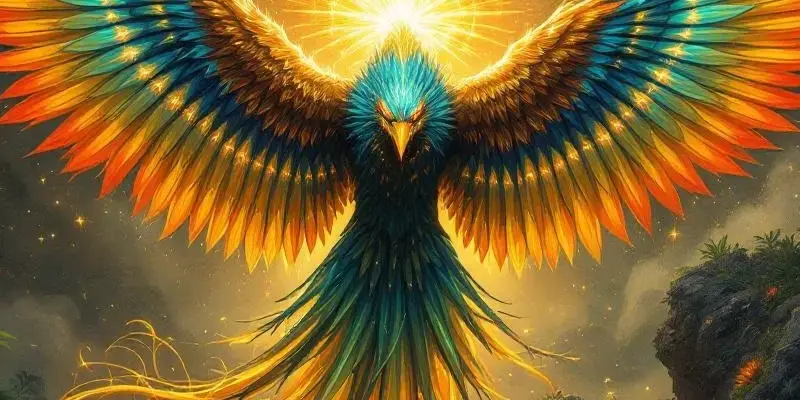
The Resplendent Quetzal transcends mere avian beauty, embodying profound spiritual significance across ancient Mesoamerican civilizations where it was revered as a divine messenger between worlds. Its striking emerald plumage and inability to survive in captivity transformed this remarkable bird into a powerful symbol of freedom, spiritual enlightenment, and sacred connection to deities like Quetzalcoatl across generations of indigenous peoples.
Key Takeaways
- The quetzal cannot survive in captivity, making it the ultimate symbol of freedom in Mesoamerican cultures
- Ancient civilizations considered the quetzal sacred and divine, with penalties as severe as death for killing one
- The bird’s connection to the deity Quetzalcoatl established it as a bridge between heaven and earth
- Quetzal feathers were so valuable they were used as currency and status symbols in Aztec and Mayan societies
- As a spirit guide, the quetzal appears when we need protection and spiritual transformation in our lives
The Sacred Bird of Mesoamerica
The Resplendent Quetzal stands as the only bird on Earth with “resplendent” in its common name—a fitting description for this majestic creature with iridescent green feathers and tail plumes reaching up to a meter in length. In several Mesoamerican languages, the word “quetzal” (from Nahuatl quetzalli) translates to sacred, erected, or precious, highlighting the bird’s elevated spiritual status.
Young male quetzals require nearly three years to develop their full tail feathers, creating a natural metaphor for spiritual growth and transformation that indigenous peoples incorporated into their belief systems. This gradual development mirrors human spiritual journeys, where wisdom and enlightenment come through patient evolution rather than sudden change.
The Ultimate Symbol of Freedom
The quetzal’s most profound spiritual quality lies in its uncompromising need for freedom. This remarkable bird cannot survive in captivity, making it a living embodiment of liberty’s essential nature. The Maya specifically revered the quetzal as a freedom symbol due to this characteristic—as it soars through boundless skies, it demonstrates the purest form of liberation.
Mayan culture prohibited killing quetzals, yet they developed a respectful practice of temporarily capturing them, removing their prized tail feathers, and releasing them back to the wild. This approach honored both the bird’s sacred status and its fundamental need for freedom. According to enduring legend, the quetzal once sang beautifully, but following the Spanish conquest, it vowed to remain silent until the land regained its freedom—a poignant metaphor that continues to resonate with those seeking liberation from oppression.
Divine Connection to Quetzalcoatl
The quetzal shares an intrinsic connection with the deity Quetzalcoatl, serving as a symbol for goodness and light across Mesoamerican spirituality. Quetzalcoatl himself was often depicted as a serpent adorned with Resplendent Quetzal feathers, creating a visual representation of the integration between earth and sky. Indigenous peoples viewed the quetzal’s long green tail feathers as having reptilian characteristics, positioning the bird as a natural bridge between avian and serpentine worlds—and consequently, a connection between heaven and earth.
As a benevolent deity associated with creation, fertility, and wisdom, Quetzalcoatl found physical manifestation through the sacred quetzal. The penalty for killing this bird was death—testament to its profound spiritual significance. The Maya associated it with their deity Kukulkan while the Aztecs connected it to Quetzalcoatl, incorporating its image in numerous spiritual cosmogonic representations, including the famous feathered serpent carved into the pyramid at Chichen Itza.
Cultural Treasure of Ancient Civilizations
Aztec and Mayan cultures valued quetzal tail feathers so highly that they became symbols of wealth and served as actual currency in trade transactions. These magnificent birds held tremendous importance across Mesoamerican civilizations—their feathers represented luxury goods and high status, frequently appearing in emperors’ headdresses and ceremonial attire.
Throughout Central and Southern Mexico, the quetzal maintained its position as a sacred animal central to religious ceremonies. Priests and rulers incorporated its brilliant feathers into elaborate ornaments and ceremonial dress, including the famous plume of Moctezuma. The quetzal’s natural migratory patterns, moving to different elevations seasonally in search of food, provided ancient observers with further evidence of the bird’s role as a messenger between different worlds and spiritual realms.
Guatemala’s National Emblem
Guatemala formally declared the Resplendent Quetzal its national bird in 1871, selecting it from nearly 750 species found within the country. The decision to name their national currency the Guatemalan Quetzal (GTQ) reflects the bird’s historical value as a medium of exchange among the ancient Maya. This demonstrates how spiritual significance can transform into practical national identity over time.
The quetzal appears prominently throughout Guatemalan national symbols—the coat of arms, flag, postage stamps, and countless souvenirs all bear its distinctive image. This widespread representation cements the quetzal’s status as not merely a bird but as a powerful living embodiment of national pride and cultural heritage that connects modern Guatemala to its ancient spiritual roots.
Spiritual Guide and Divine Messenger
The Resplendent Quetzal often emerges as a spirit guide during times when we feel hope slipping away, need protection, or desire greater independence in our lives. As a bearer of spiritual medicine, it guides seekers on transformative journeys of connecting with higher realms, embracing divine messages, and rediscovering the sacred essence dwelling within each person.
The quetzal’s deep associations with spirituality and elevated ideals suggest a path toward inner growth and enlightenment, urging us to pursue deeper connections with the universe. When the quetzal appears in dreams, it serves as a reminder to cherish and protect the natural world while recognizing the ecological importance of Earth’s biodiversity. The quetzal’s spiritual energy infuses the soul with grace and elegance, offering guidance toward personal freedom and fulfillment beyond material concerns.
A Threatened Living Legacy
Currently classified as near threatened, the Resplendent Quetzal faces challenges to its survival that have prompted conservation efforts across Central America. Countries like Costa Rica fight to preserve this legendary bird by establishing protected habitats within national parks. Major threats include ongoing poaching—their feathers remain valuable in trade with foreign tourists and museum collectors, and are still used in traditional medicines and rituals.
Deforestation poses perhaps the greatest threat by eliminating the quetzal’s natural cloud forest habitat. These birds follow specific movement patterns correlated to the availability of ripe Lauraceae fruits, relocating to lower elevations during summer’s increased precipitation. As residents of lush cloud forests, quetzals play vital ecological roles in pollination and seed dispersal, making them living ambassadors for conservation. Protecting the quetzal isn’t simply about preserving a species—it’s about honoring a living embodiment of ancient spiritual wisdom that connects us to indigenous knowledge systems.
Tales of Blood and Sacrifice
One of Guatemala’s most celebrated legends explains the quetzal’s distinctive red breast feathers through the story of Tecún Umán, a Quiché Maya prince and warrior. According to this powerful origin story, when Tecún Umán fought against Spanish conquistador Pedro de Alvarado, a quetzal flew overhead watching the battle. Though the Maya prince initially disarmed Alvarado, he was ultimately killed by a spear thrust through his chest.
The legend tells how a quetzal then descended to Tecún Umán’s body and dipped its chest in the brave prince’s blood, acquiring the red feathers that mark the species today. This tale symbolizes the bird’s connection to freedom, sacrifice, and resistance against colonization. Such legends do more than explain physical characteristics—they connect the quetzal’s spiritual significance to concepts of national identity and the enduring spirit of indigenous culture, ensuring this sacred bird continues to inspire reverence and cultural pride throughout Mesoamerica today.
The Resplendent Quetzal held profound spiritual significance across Mesoamerican civilizations as a divine messenger between worlds. Its emerald plumage and inability to survive in captivity made it the ultimate symbol of freedom. Ancient Maya and Aztec cultures revered this bird, connecting it to deities like Quetzalcoatl and using its feathers as currency and status symbols. The quetzal served as a spiritual bridge between heaven and earth, with its gradual development of tail feathers symbolizing spiritual growth. Guatemala later adopted it as their national bird and currency, though today it faces threats from poaching and deforestation.
| Key Aspects | Significance |
|---|---|
| Symbol of Freedom | Cannot survive in captivity; represents liberation |
| Divine Connection | Associated with Quetzalcoatl/Kukulkan; bridge between worlds |
| Cultural Value | Feathers used as currency; killing the bird punishable by death |
| National Identity | Guatemala’s national bird and currency name (Quetzal) |
| Spiritual Guide | Appears as messenger during times of transformation and protection |