
Pheasant spiritual meaning

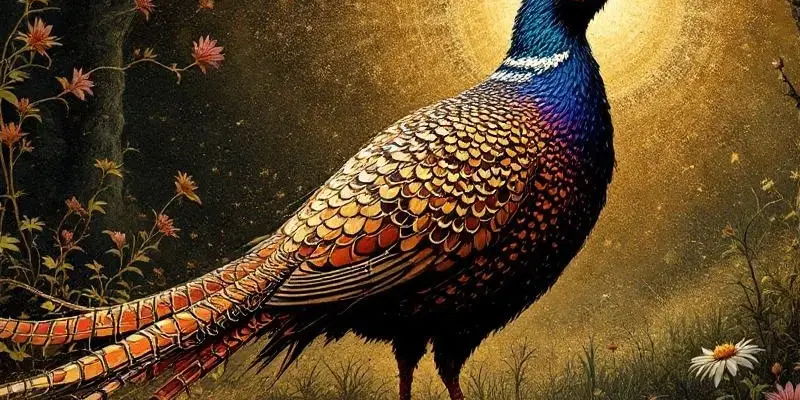
The pheasant’s spiritual significance spans diverse cultures, with its vibrant plumage and adaptable nature symbolizing transformation, creativity, and abundance in spiritual traditions worldwide. From Chinese imperial symbolism to Native American messenger beliefs, these magnificent birds connect the physical and spiritual realms while embodying qualities of protection, prosperity, and authentic self-expression.
Key Takeaways
- Pheasants symbolize transformation and abundance across multiple cultural traditions
- In Chinese culture, golden pheasants represent good fortune and refinement, with connections to the phoenix
- Native Americans view pheasants as messengers between realms and symbols of heightened intuition
- As spirit animals, pheasants encourage authentic self-expression and creative confidence
- Pheasant symbolism draws from their remarkable adaptability – able to run, fly, and swim
The Magnificent Pheasant: Beauty with Spiritual Significance
The pheasant stands out in the natural world with its striking appearance and remarkable abilities. Male pheasants display vibrant green heads, crimson faces, and distinctive white neck rings that make them instantly recognizable. Their beauty extends beyond mere aesthetics, carrying profound spiritual significance throughout history.
These birds demonstrate incredible adaptability in their physical capabilities. Pheasants can run at speeds reaching 10 mph, take flight at an impressive 35 mph, and even swim when necessary. During mating season, males maintain harems of 7-10 females, embodying fertility and abundance in their natural behaviors.
The pheasant’s spiritual importance spans numerous cultural traditions. Their transformative symbolism appears in Eastern and Western spiritual practices alike, making them universal symbols of creativity, prosperity, and personal growth. This rich symbolic heritage makes the pheasant a powerful spiritual guide for anyone seeking transformation or abundance in their lives.
Golden Messengers: Chinese Cultural Significance
In Chinese tradition, the golden pheasant holds special status as a symbol of good fortune and refined beauty. Their cultural importance extends through multiple dynasties, with each period assigning unique symbolic values to these magnificent birds.
During the Song Dynasty (960-1279), women of high status wore elaborate robes decorated with pheasant imagery for important state occasions. The Yuan Dynasty (1271-1368) adopted white-crowned long-tailed pheasants as symbols specifically representing imperial women. By the Ming Dynasty (1391-1527), golden pheasants marked second-rank civil servants, while silver pheasants identified fifth-rank officials.
The golden pheasant’s significance reached its peak during Emperor Yong Zheng’s reign (1723-1735) when porcelain featuring pheasants alongside quails symbolized favorable omens. Chinese mythology connects the golden pheasant directly to the phoenix, with the Fenghuang (Chinese phoenix) featuring a golden pheasant’s head—representing virtue, grace, and prosperity in traditional symbolism.
Native American Spiritual Connections
Native American traditions value the pheasant for its keen senses and adaptability, qualities that made these birds perfect messengers between physical and spiritual realms. Tribal wisdom associates pheasants with protection, fertility, and hidden knowledge that exists beyond ordinary perception.
The pheasant’s ability to navigate multiple terrains mirrors spiritual adaptability and heightened awareness. Native teachings suggest that pheasants encourage people to “see beyond the surface” through developed intuition and insight. This connection to deeper perception makes pheasants powerful symbols for anyone seeking to enhance their spiritual awareness.
Many tribes believe encountering a pheasant delivers specific messages based on the circumstances of the meeting. The direction the bird travels, its behaviors, and even the time of day all contribute to interpreting these spiritual communications. This nuanced understanding demonstrates the depth of Native American spiritual connection to these remarkable birds.
European Nobility and Symbolism
European mythology links pheasants to nobility and protection, with traditions spanning medieval times through the Renaissance. Warriors carried pheasant feathers into battle believing they brought victory and strength against opponents.
In heraldry, these birds symbolized beauty and aristocratic values, sometimes representing specific challenges or quests. Family crests featuring pheasants typically indicated lineages associated with:
- Courage in battle
- Connection to royal hunting grounds
- Protection of sacred spaces
- Noble ancestry and refined tastes
European folklore frequently portrayed pheasants as guardians of secrets or hidden treasures. Stories tell of pheasants leading worthy seekers to magical items or protecting sacred places from those with impure intentions. This connection to hidden knowledge and revelation made pheasants important symbols in medieval mystery traditions.
Japanese Divine Messengers
Japanese mythology celebrates the pheasant as a divine messenger for Amaterasu, the revered Sun Goddess. In Shinto tradition, pheasants embody power, promises, abundance, foreknowledge, and protection against negative energies.
Some Japanese beliefs credit pheasants with the ability to predict earthquakes, making them important harbingers in natural disaster awareness. This connection to foreknowledge extends to other aspects of life, with pheasant sightings sometimes interpreted as warnings or confirmations of important decisions.
The pheasant’s role in Japanese spirituality reveals the deep respect traditional cultures held for nature’s wisdom. Their status as messengers between divine and human realms places them alongside other sacred creatures in Japanese spiritual practice, serving as intermediaries that help humans understand divine intentions.
Spirit Animal, Totem, and Power Animal Meanings
As a spirit animal, the pheasant represents creativity and confidence in personal expression. Those drawn to pheasant energy often feel called to share their unique gifts with the world, embracing their authentic selves without fear or hesitation.
People with the pheasant as their totem animal benefit from natural resilience, protection against negative energies, and enhanced intuition. These individuals typically demonstrate remarkable adaptability in challenging situations, finding creative solutions where others see only obstacles.
When called upon as a power animal, the pheasant brings beauty and abundance while attracting prosperity into your life. Its vibrant energy indicates peak vitality and encourages embracing your unique talents for their highest purpose. I’ve found that connecting with pheasant energy during major life transitions can help navigate changes with grace and confidence.
Astrological and Zodiac Connections
In Asian Astrology, the pheasant connects to the White Tiger of Autumn and shows strong associations with the Rooster zodiac sign. These connections highlight the pheasant’s qualities of vigilance, pride, and attention to detail in traditional Eastern astrology.
Western astrological traditions link pheasant energy with Leo and Sagittarius due to shared qualities of confidence and freedom-seeking tendencies. The bird’s connection to summer and autumn energies, along with its masculine symbolism and sun admiration, enhances its significance across multiple astrological systems.
The pheasant’s astrological connections make it particularly powerful for rituals conducted during seasonal transitions, especially those focused on personal transformation or manifesting abundance. Similar to how peacocks carry astrological significance, pheasants provide cosmic connections to transformation and beauty.
Dream Interpretations Across Perspectives
Dreaming of pheasants generally indicates incoming prosperity and good fortune. From a Jungian perspective, these dreams represent the individuation process and integration of creativity into your conscious awareness.
Freudian interpretations may view pheasant dreams through phallic symbolism, connecting them to desires for recognition and achievement. The context of the dream provides important clues to its specific meaning for your situation.
Different dream scenarios carry unique interpretations:
- A pheasant crossing from left to right suggests your ambitions are becoming reality
- Multiple pheasants symbolize abundance and providence
- A flying pheasant indicates rising above challenges
- A pheasant calling to you suggests important messages from your intuition
The emotional tone of the dream matters significantly. Feelings of joy or wonder during pheasant dreams amplify their positive meanings, while anxiety or fear might indicate concerns about living authentically or recognizing opportunities.
Different Pheasant Types and Their Spiritual Messages
Various pheasant species carry unique spiritual messages based on their distinctive characteristics. The silver pheasant encourages adaptability and openness to change, reflecting its resilient nature in changing environments.
The green pheasant symbolizes independence and authentic living without compromise. Its relatively solitary nature compared to other pheasant species makes it a powerful symbol for those seeking to establish healthy boundaries while maintaining their unique identity.
The golden pheasant represents beauty, good fortune, and phoenix-like transformation. Its spectacular coloration and regal bearing make it especially powerful for manifestation work and spiritual transformation practices. Just as the grouse carries distinct spiritual meanings, each pheasant type offers specific guidance aligned with its natural qualities.
Physical Traits as Spiritual Metaphors
The pheasant’s physical characteristics provide powerful spiritual metaphors for personal development. Their keen eyesight and exceptional hearing correlate to psychic abilities like clairvoyance and clairaudience, suggesting enhanced perception beyond ordinary senses.
Their remarkable ability to navigate multiple terrains—running swiftly, flying at impressive speeds, and swimming when necessary—represents adaptability across different life circumstances. This versatility encourages flexibility in approaching challenges from multiple perspectives.
The vibrant plumage, particularly in males, embodies confidence and authentic self-expression. The seasonal nature of their most brilliant colors reminds us that beauty and personal power often emerge through cycles of transformation rather than remaining static.
Embracing Pheasant Energy in Everyday Life
I’ve discovered several effective ways to incorporate pheasant energy into daily life. Placing pheasant imagery in your home, particularly in wealth corners according to Feng Shui principles, can help attract abundance and prosperity.
Meditation focusing on pheasant qualities proves especially valuable during times of transition or when seeking creative inspiration. Visualizing yourself with the pheasant’s adaptability and confidence can transform how you approach challenges in your personal and professional life.
Encountering a pheasant in nature often signals an opportunity for transformation and increased abundance. Pay attention to the circumstances of such meetings—the direction the bird travels, its behaviors, and your emotional response all contribute to understanding its specific message for you.
The pheasant’s presence reminds us to express our authentic selves and recognize the beauty in life’s cycles of change. By connecting with this magnificent bird’s energy, we gain access to its transformative power—encouraging us to embrace change with confidence, express our unique gifts, and attract prosperity into every aspect of our
This article explores the spiritual significance of pheasants across world cultures. The magnificent bird symbolizes transformation, creativity, and abundance through its vibrant plumage and adaptable nature. Pheasants hold special meaning in Chinese tradition as symbols of good fortune, while Native Americans view them as messengers between physical and spiritual realms. In Japan, they’re considered divine messengers for the Sun Goddess Amaterasu. The bird’s remarkable abilities to run, fly, and swim reflect spiritual adaptability and heightened awareness.
As spirit animals, pheasants encourage authentic self-expression and confidence. They’ve been associated with nobility and protection in European mythology, while featuring prominently in various astrological systems. The article also examines pheasant dream interpretations and how different species carry unique spiritual messages.
| Culture/Tradition | Pheasant Symbolism |
|---|---|
| Chinese | Good fortune, refinement, imperial status |
| Native American | Messengers between realms, protection, intuition |
| European | Nobility, courage, guardians of secrets |
| Japanese | Divine messengers, foreknowledge, protection |
| Spirit Animal | Creativity, confidence, authentic expression |