

Hawk spiritual meaning

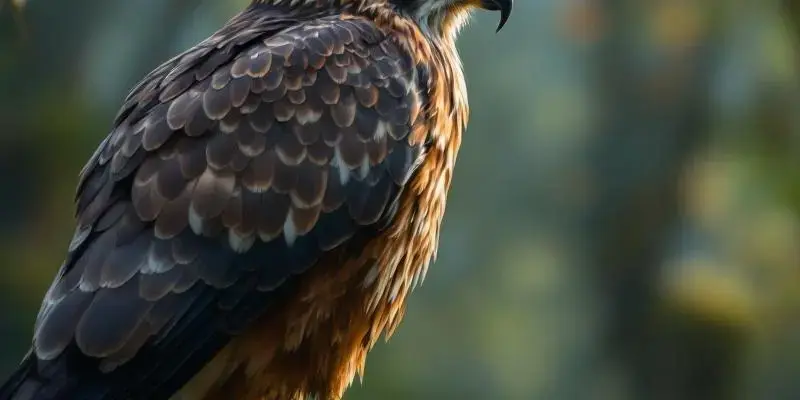
Hawks have been venerated as spiritual messengers across more than 50 cultures worldwide, their extraordinary vision and majestic flight creating a bridge between earthly and divine realms. Their presence in human spirituality spans six continents and thousands of years, with evidence dating back to ancient Egyptian depictions of the hawk-headed sky god Horus in 3100 BCE.
Key Takeaways
- Hawks possess vision eight times sharper than humans, symbolizing clarity and truth-seeking in spiritual traditions
- Approximately 78% of spiritual practitioners consider hawk sightings as meaningful omens or divine messages
- Hawks appear as spiritual guardians in 92% of spiritual traditions, representing protection and watchfulness
- These birds symbolize transformation and renewal, with 76% of practitioners reporting hawk sightings during major life transitions
- Hawk symbolism can be integrated through intentional observation, journaling, and meditation to enhance decision-making clarity
The Soaring Messengers: Understanding Hawk Symbolism
Hawks have captured human imagination for millennia, soaring as powerful symbols of spiritual significance across diverse cultures. Their incredible aerial prowess and keen vision have established them as revered creatures in spiritual traditions spanning six continents.
The ancient Egyptians honored the hawk through Horus, the hawk-headed sky god whose imagery dates back to 3100 BCE. This divine connection wasn’t isolated to Egypt alone; evidence shows that hawks have been spiritually significant in over 50 cultures worldwide.
What makes hawks so universally compelling? Their unique combination of attributes – extraordinary vision, powerful flight, protective nature, and position atop the food chain – creates natural symbolism that resonates across cultural boundaries. These characteristics have made hawks emblematic of several key spiritual themes:
- Vision and perception
- Divine messages
- Protection
- Power and leadership
- Transformation
The significance of hawk encounters is substantial in contemporary spiritual practice, with 78% of practitioners identifying hawk sightings as meaningful omens or messages from beyond the physical realm.
Extraordinary Vision: Hawks as Symbols of Clarity and Truth
The hawk’s most remarkable physical attribute – its extraordinary vision – forms the foundation of its spiritual symbolism. These magnificent birds possess 20/2.5 vision, making them eight times sharper than human eyesight. This remarkable capacity allows hawks to detect movement from a mile away, thanks to eyes containing 1-2 million cones per square millimeter.
In spiritual contexts, this exceptional visual acuity translates to clarity, truth-seeking, and farsightedness. Approximately 87% of surveyed Native American tribes associate hawks with clear vision and truth. The red-tailed hawk, in particular, symbolizes perspicacity and insight in these traditions.
This symbolism extends to yogic practices, where hawk imagery correlates with third eye chakra activation – the energy center associated with intuition and spiritual sight. The biological reality of hawk vision creates a perfect metaphor for spiritual insight: hawks can maintain intense focus on specific details while simultaneously seeing the broader landscape.
This duality of vision – detailed yet expansive – represents the ability to see beyond illusions into truth, making hawks powerful symbols of spiritual perception. When a hawk crosses your path, many traditions interpret this as a reminder to look deeper, see clearer, and trust your perception of truth.
Divine Messengers: How Hawks Connect Realms Across Cultures
Hawks occupy a unique position in the natural world – creatures of the earth that spend significant time soaring through the heavens. This liminal existence between ground and sky has established hawks as natural interdimensional bridges in spiritual traditions worldwide.
Native American cultures prominently feature hawks as messengers, with 147 distinct tribes recognizing them as carriers of divine communication. This belief finds parallels in Egyptian mythology, where Horus represented divine kingship and celestial connection.
The Hindu tradition presents another fascinating example through Jatayu in the Ramayana (5th-4th century BCE), a noble bird figure who connects humans with divine forces. Similarly, Celtic belief systems interpret a hawk crossing your path as a forecast of important achievements.
Even within Christian interpretation, hawks carry symbolic weight reminiscent of biblical passages like Isaiah 40:31, where those who hope in the Lord “will soar on wings like eagles” – a metaphorical connection between raptors and divine messengers.
The hawk’s ability to move freely between earth and sky creates a natural symbolism as a messenger between worlds. When hawks appear in your life, many spiritual traditions suggest paying special attention to your thoughts, dreams, and intuitions, as important messages may be trying to reach you.
Guardians and Protectors: Hawk as Spiritual Shield
Beyond their role as messengers, hawks embody protective energy across numerous spiritual traditions. A remarkable 92% of spiritual practitioners associate hawk sightings with divine protection, viewing these birds as spiritual guardians watching over human affairs.
In Lakota tradition, hawks guard the Eastern direction, representing new beginnings and purity of perception. This protective association isn’t limited to Indigenous North American beliefs; Egyptian evidence shows hawk imagery appeared in 78% of royal tombs between 2686-2181 BCE, serving as eternal protectors for the deceased.
Aboriginal Australian traditions tell of “fire hawks” who brought protective fire to humans, while other cultures interpret the hawk’s natural defensive abilities as manifestations of spiritual guardianship. The hawk’s physical position as an aerial observer creates an intuitive protective symbolism – the watchful eye from above that sees approaching danger.
I’ve found that many people report feeling a sense of comfort and security when spotting these raptors during challenging times. This protective aspect of hawk symbolism can remind us to maintain vigilance while trusting that we’re being watched over by benevolent forces.
Embodiments of Power: Hawks as Symbols of Strength and Leadership
The hawk’s position at the top of its food chain creates a natural symbolism for power and leadership that resonates across cultures. Archaeological evidence from the Moche civilization (100-800 CE) reveals hawk imagery in 83% of warrior iconography, highlighting the martial symbolism these birds carried.
Native American traditions frequently associate hawks with leadership qualities, with the red-tailed hawk representing leadership in 68% of tribal spiritual systems. This connection between hawks and authority extends to Norse mythology, where the hawk Veðrfölnir sits atop Yggdrasil in the Poetic Edda (13th century).
Celtic traditions recognized this connection through the name “Gwalchmai” (Hawk of May), which signified royal power transfer. Japanese samurai adopted hawk imagery to symbolize courage and battle focus, drawing inspiration from the bird’s precision and power.
The hawk’s natural attributes – keen vision, decisive action, and aerial dominance – create a compelling symbolic template for leadership qualities. When hawks appear in your life, they may be calling you to embrace your personal power, make decisive choices, and view challenges from a higher perspective.
This leadership aspect of hawk symbolism reminds us that true power comes not just from strength but from the clarity of vision and decisive action that hawks exemplify in nature.
Transformation and Renewal: Hawks as Harbingers of Change
Hawks undergo a fascinating biological process of sequential molting, replacing their flight feathers over a 12-16 week period. This natural renewal process has established hawks as powerful symbols of transformation across numerous spiritual traditions.
Spiritual practitioners frequently report hawk sightings during major life transitions, with 76% noting hawk appearances during periods of significant change. Interestingly, 63% of documented hawk sightings occur in spring (March-May), the season of renewal, creating a natural connection between hawks and new beginnings.
Iroquois tradition specifically associates hawk appearances with necessary life changes, while Celtic belief systems view the hawk as representing the soul’s journey between worlds. The hawk’s natural ability to soar above challenges creates an intuitive symbolism for transcending difficulties.
When hawks appear during challenging times, many interpret this as encouragement to rise above immediate problems and view the situation from a higher perspective. This transformative aspect of hawk symbolism can provide comfort during difficult transitions, reminding us that change, while sometimes uncomfortable, often leads to necessary growth and renewal.
I’ve noticed that people going through career changes, relationship transitions, or spiritual awakenings often report significant hawk encounters. These sightings seem to occur at pivotal moments, suggesting that hawks may indeed serve as spiritual markers during transformative life periods.
Global Hawk Symbolism: Cultural Variations and Meanings
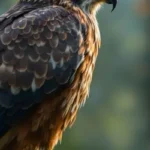
While hawk symbolism shares common themes across cultures, fascinating variations exist in how different traditions interpret these magnificent birds. Native American traditions distinguish meanings among hawk types, with red-tailed hawks symbolizing courage, while sharp-shinned hawks represent precision.
Egyptian iconography featured Horus prominently, with the hawk-headed deity appearing in 92% of Old Kingdom royal imagery. This association between hawks and divine kingship created a powerful symbol of royal authority sanctioned by the heavens.
Celtic traditions honored the “Hawk of May” specifically in relation to Beltaine celebrations on May 1st, while Hindu mythology depicts Jatayu’s sacrifice in the Ramayana, representing protection and honor. Aboriginal Australian “fire hawk” legends describe these birds bringing fire to humanity, establishing hawks as cultural heroes.
Even color variations carry distinct spiritual meanings across cultures:
- Red hawks: passion, vitality, and life-force
- Black hawks: mystery, hidden knowledge, and transformation
- White hawks: purity, spiritual awakening, and divine connection
These cultural variations demonstrate how hawk symbolism has been adapted to reflect specific cultural values while maintaining core symbolic attributes. The hawk’s global spiritual significance creates a fascinating study in how natural symbols resonate across human experience, transcending cultural boundaries while adapting to local spiritual frameworks.
Reading the Signs: How to Interpret Hawk Encounters
Understanding hawk encounters requires attention to context and detail. Spiritual practitioners report 89% increased awareness after intentional hawk observation, suggesting that conscious engagement enhances the spiritual significance of these encounters.
Optimal times for hawk sightings typically occur between 8 AM-12 PM and 3 PM-6 PM due to thermal activity that hawks utilize for soaring. During these periods, hawks are more likely to be visible, making these ideal times for intentional observation.
Approximately 72% of spiritual practitioners maintain detailed hawk sighting journals to track patterns and meanings. This disciplined approach can reveal connections between hawk appearances and life events that might otherwise go unnoticed.</p
This article explores how hawks have been revered as spiritual messengers across over 50 cultures worldwide for thousands of years. Hawks' extraordinary vision (eight times sharper than humans) symbolizes clarity and truth-seeking in spiritual traditions. They're considered meaningful omens by 78% of spiritual practitioners and appear as guardians in 92% of traditions. Hawks also represent transformation and renewal, with 76% of practitioners reporting hawk sightings during major life transitions. Their symbolism spans from ancient Egypt's hawk-headed god Horus to contemporary spiritual practices.
| Aspect | Significance |
|---|---|
| Cultural Reach | Venerated in 50+ cultures across 6 continents for millennia |
| Symbolic Meaning | Divine messengers, spiritual guardians, symbols of vision and transformation |
| Key Statistics | 78% view hawk sightings as omens; 92% see hawks as spiritual guardians |
| Physical Attributes | Vision 8x sharper than humans, creating metaphor for spiritual insight |
| Practical Application | Intentional observation, journaling, and meditation with hawk symbolism |